







Eating balanced meals is key to feeling energized, maintaining good health, and enjoying food. However, planning these meals can sometimes feel overwhelming or stressful, especially with busy schedules and the endless options available. The good news is that with some simple strategies, you can plan balanced meals comfortably and efficiently, without adding anxiety to your day.
In this guide, we’ll explore practical tips to simplify meal planning, helping you create delicious, nutritious meals that work for you.
What Is a Balanced Meal?
Before we dive into planning tips, it’s helpful to understand what makes a meal balanced. A balanced meal typically includes:
– Proteins: Such as lean meats, beans, tofu, eggs, or fish. Protein helps build and repair tissues.
– Carbohydrates: Preferably whole grains like brown rice, quinoa, oats, or whole wheat bread. Carbs provide energy.
– Fats: Healthy fats from sources like avocados, nuts, seeds, and olive oil support brain health and cell function.
– Vegetables and Fruits: Rich in vitamins, minerals, and fiber, they add color, flavor, and nutrients.
– Hydration: Drinking water or other low-calorie beverages aids digestion and metabolism.
Why Plan Meals?
Taking a little time to plan your meals can save you effort, money, and stress later. Some benefits include:
– Reducing last-minute food decisions
– Avoiding unhealthy takeout or processed foods
– Creating balanced portions that fuel your body
– Saving money by minimizing food waste and impulse buys
– Allowing you to try new recipes and foods systematically
How to Plan Balanced Meals Without Stress
1. Start Simple with a Weekly Framework
You don’t need a complicated spreadsheet or fancy apps. Start by setting out a loose plan for the week:
– Choose 3-4 dinner ideas to rotate.
– Plan breakfast and lunches around simple staples.
– Include easy snacks like fresh fruit, nuts, or yogurt.
This framework gives you flexibility but avoids the “what’s for dinner?” dilemma daily.
2. Focus on Meal Components, Not Recipes
Instead of memorizing recipes, think about combining components on your plate:
– Pick a protein source
– Choose a grain or starchy vegetable
– Add two servings of vegetables or a piece of fruit
– Include a healthy fat, like a drizzle of olive oil or a handful of nuts
For example, grilled chicken (protein), quinoa (grain), steamed broccoli and carrots (vegetables), and a splash of olive oil covers all basics.
3. Batch Cook and Prep Ahead
Set aside a couple of hours once or twice a week to:
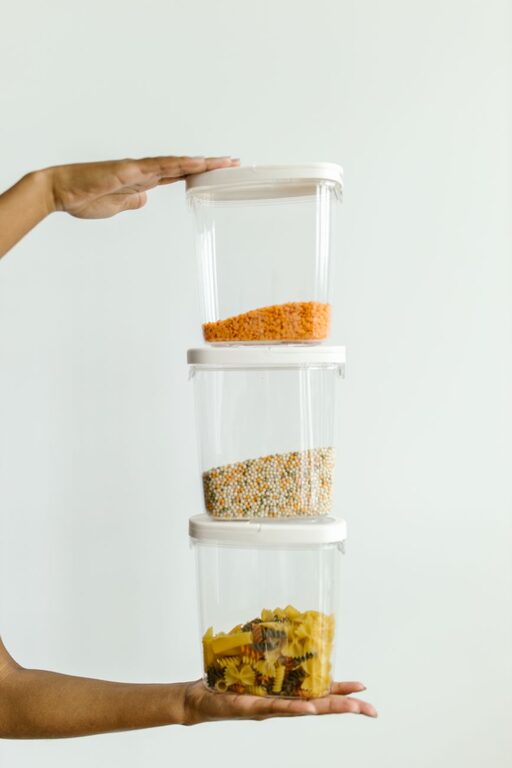
– Cook grains like rice, quinoa, or pasta in bulk
– Roast or steam a big batch of vegetables
– Prepare proteins like baked chicken breasts or hard-boiled eggs
Store these in the fridge or freezer. When it’s mealtime, just mix and match components for a quick, balanced meal.
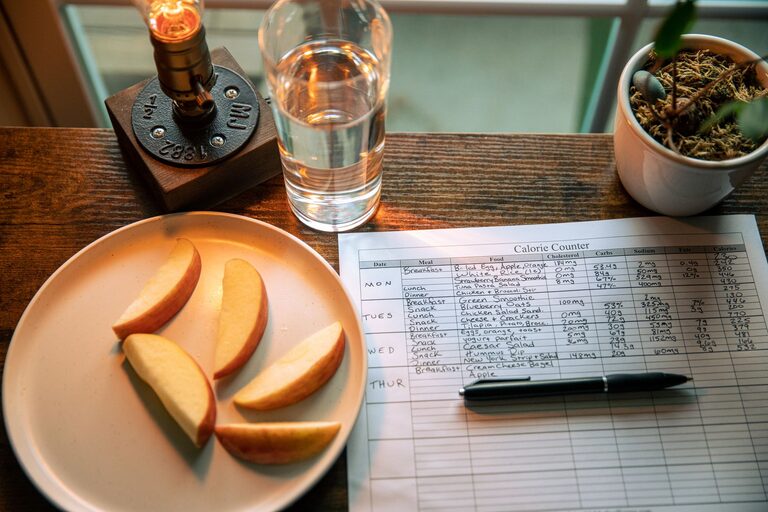
4. Use a Meal Planner or Journal
Even a simple paper calendar or notebook can help:
– Note down your meal ideas
– Keep a shopping list handy
– Track what works and what you want to change
This reduces decision fatigue and makes kitchen time smoother.
5. Keep Essential Ingredients on Hand
Stock your kitchen with a few go-to items that easily combine into meals:
– Canned beans or lentils
– Frozen vegetables
– Whole grain bread or wraps
– Eggs
– Fresh produce that lasts longer like carrots, apples, and citrus fruits
Having these staples means you can always throw together something balanced.
6. Practice Mindful Grocery Shopping
Before heading to the store:
– Review your meal plan or ingredient list
– Stick to the perimeter aisles where fresh foods are usually found
– Avoid shopping when hungry to prevent impulse buys
Shopping with a purpose saves time and reduces overwhelm.
7. Don’t Aim for Perfection
Balanced meals don’t have to be perfect every time. If some days aren’t ideal, that’s okay. Focus on progress, not perfection. Even small improvements in meal balance can boost your health.
Quick Balanced Meal Ideas
Here are a few simple meal ideas to spark your creativity:
– Breakfast: Oatmeal topped with fresh berries, nuts, and a dollop of yogurt
– Lunch: Whole wheat wrap with hummus, turkey, spinach, and sliced avocado
– Dinner: Baked salmon, quinoa, and steamed green beans with lemon
– Snack: Apple slices with peanut butter or a handful of mixed nuts
Final Thoughts
Planning balanced meals doesn’t have to be a stressful task. By keeping things simple, using a flexible framework, prepping ahead, and focusing on wholesome ingredients, you can enjoy nutritious meals every day with ease. Remember, the goal is to create a sustainable routine that fits your lifestyle and brings joy to your eating habits.
Try some of these tips this week and watch how your mealtime stress begins to fade!