







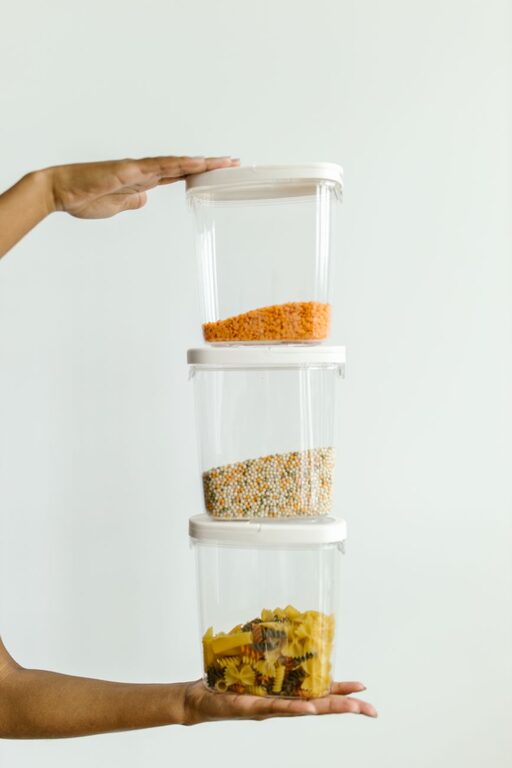
Planning meals using pantry staples is a fantastic way to simplify your cooking routine, save money, and reduce food waste. Whether you’re new to meal planning or looking to make the most of what you already have, learning how to create delicious meals from pantry basics can be a game changer. In this post, we’ll walk you through practical steps to organize your pantry, identify versatile staples, and plan balanced meals that suit your taste and schedule. Let’s get started!
Why Meal Planning with Pantry Staples Works
Pantry staples are shelf-stable ingredients that you typically keep on hand. Items like rice, canned beans, pasta, canned tomatoes, dried herbs, and spices often form the base of countless recipes. Using what’s already in your pantry means fewer trips to the grocery store and less last-minute scrambling about what to cook.
Meal planning with these staples helps you:
– Save time by avoiding daily meal decisions
– Reduce food waste by using what you have
– Stretch your food budget
– Create variety without needing exotic ingredients
Step 1: Take Stock of Your Pantry
Before planning, it’s important to know exactly what you have. Take some time to look through your pantry and make a list of:
– Grains (rice, pasta, quinoa, oats)
– Canned and jarred goods (beans, tomatoes, tuna, broth)
– Baking essentials (flour, sugar, baking powder)
– Spices, herbs, and seasonings
– Oils and vinegar
– Nuts, seeds, dried fruits
Organizing your pantry by category can help you see what’s available at a glance and avoid buying duplicates.
Step 2: Choose Your Meal Frameworks
To make meal planning easier, think about simple frameworks or templates that work well with pantry staples. Here are a few ideas:
Grain Bowls
Start with cooked rice, quinoa, or pasta. Add a protein like canned beans or tuna and toss in some vegetables (fresh, frozen, or canned). Top with a dressing or sauce made from pantry staples like olive oil, vinegar, garlic, and spices.
Soups and Stews
Use broth or water, canned tomatoes, beans, and your favorite spice blends to create hearty soups. Dice some onions and garlic if you have fresh produce, or use dried onion flakes as a substitute.
Pasta Dishes
Combine pasta with a simple sauce made from canned tomatoes, garlic, olive oil, and herbs. Add canned tuna or beans for protein.
Stir-Fries and Skillets
If you have rice or noodles, stir-fry them with frozen or fresh vegetables and sauces made from pantry ingredients like soy sauce, sesame oil, or chili flakes.
Wraps and Sandwiches
Use canned beans mashed with spices, oil, and lemon juice as a filling. Add fresh or canned veggies for crunch.
Step 3: Plan Your Meals for the Week
Once you understand what’s available and some go-to frameworks, plan your meals ahead. Start by picking 3 to 4 dinners you want to prepare and make sure each uses different pantry staples to keep things interesting. Here’s an example:
– Monday: Rice and bean bowl with salsa and avocado
– Wednesday: Spaghetti with tomato and garlic sauce
– Friday: Chickpea and vegetable stew with rice
– Sunday: Tuna pasta salad with canned corn and vinaigrette
Don’t forget to plan for breakfast and lunch too! Oats with dried fruit, peanut butter sandwiches, or soups can be made easily with pantry items.
Step 4: Supplement with Fresh or Frozen Ingredients
While pantry staples are the base, adding some fresh or frozen ingredients enhances flavor and nutrition. Look for in-season vegetables or frozen bags of mixed veggies. Eggs, fresh herbs, and dairy products can also pair well with your pantry meals.
Step 5: Keep It Flexible and Creative
Meal planning doesn’t have to be rigid. Use your pantry list and frameworks as a guide, but be open to mixing and matching ingredients. If you have canned beans but no tomatoes, try a bean salad with vinegar and oil dressing. If you’re low on grains, double up on vegetables and protein instead.
Tips for Success
– Rotate your pantry stock. Use older items first and replenish staples regularly.
– Batch cook. Prepare large portions of grains or soups and store leftovers for quick meals.
– Use flavor boosters. Keep garlic powder, dried onions, soy sauce, hot sauce, and mustard handy to add depth to simple dishes.
– Experiment with spices. Even basic spices like cumin, paprika, and oregano can dramatically change the flavor profiles.
– Label and date items. This helps track freshness and avoid expired food.
Sample Pantry Staples Shopping List
If you’re building a pantry or topping up, consider these essentials:
– Rice, pasta, quinoa, or other grains
– Canned beans (black beans, chickpeas, kidney beans)
– Canned tomatoes and tomato paste
– Broths or bouillon cubes
– Cooking oils (olive oil, vegetable oil)
– Vinegars (apple cider, white wine, balsamic)
– Dried herbs and spices (basil, oregano, cumin, chili powder)
– Garlic and onion powder
– Nut butters and nuts
– Baking essentials (flour, sugar, baking soda)
– Canned fish (tuna, salmon)
– Shelf-stable milk alternatives or powdered milk
Final Thoughts
Meal planning using pantry staples is a smart way to streamline your kitchen routine while eating well. With a little organization and creativity, you can prepare nutritious, satisfying meals without relying on last-minute grocery runs. Keep your pantry stocked, plan your meals around what you have, and enjoy the freedom and confidence that comes with knowing you can whip up tasty dishes anytime.
Happy cooking!