










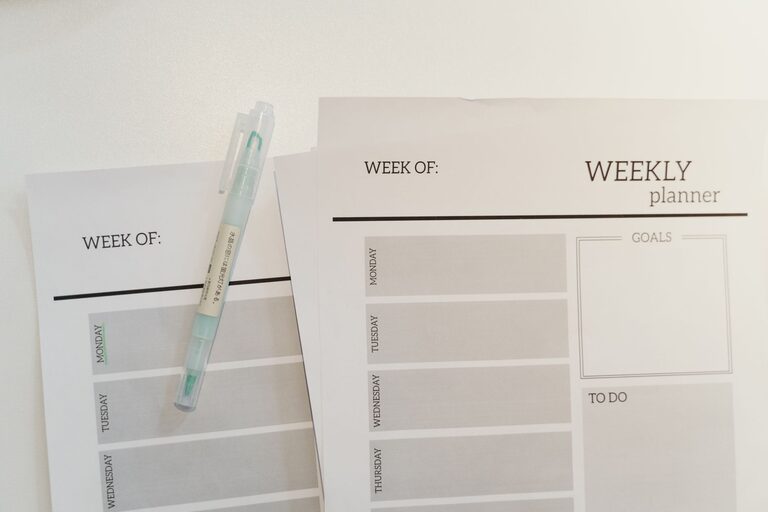
Setting realistic weekly goals is a powerful way to boost your productivity and maintain motivation throughout the week. Whether you’re managing work projects, personal tasks, or a mix of both, clear and achievable goals help you stay focused and make steady progress without feeling overwhelmed.
In this post, we’ll explore practical steps to define realistic weekly goals, prioritize tasks effectively, and track your progress to achieve steady growth.
Why Set Weekly Goals?
Weekly goals break down larger ambitions into manageable chunks. Instead of feeling daunted by a distant deadline or a big project, you know exactly what to focus on each week. This approach:
– Creates a clear roadmap for your week
– Helps maintain motivation with small wins
– Encourages consistent action toward bigger objectives
– Prevents procrastination and last-minute rushes
Step 1: Reflect on Your Bigger Picture
Before setting weekly goals, it’s important to understand your long-term objectives. Ask yourself:
– What are my key priorities this month or quarter?
– Which areas need the most attention or improvement?
– How do my weekly actions connect to my bigger goals?
This reflection ensures that your weekly goals align with what truly matters to you, making your efforts more meaningful.
Step 2: Make Goals Specific and Measurable
Vague goals like “work on project” or “exercise more” are hard to track and easy to postpone. Instead, use specific, measurable goals that clearly define success. For example:
– Complete the first draft of the marketing proposal by Friday
– Do three 30-minute workout sessions this week
– Call five potential clients by Thursday
Using specific targets keeps you accountable and helps you recognize when you’ve accomplished each goal.
Step 3: Prioritize Your Goals
You might have many things you want to achieve, but trying to tackle too much in one week can lead to burnout. Limit yourself to 3–5 main weekly goals. To prioritize:
– Identify the most urgent or high-impact tasks
– Consider deadlines and dependencies
– Balance work-related and personal goals to maintain well-being
Focus on the goals that will have the greatest positive effect on your week.
Step 4: Break Goals into Actionable Tasks
Large goals can seem overwhelming. Breaking them into smaller, actionable tasks makes progress manageable. For example, for a goal like “Complete marketing proposal,” break it down into:
– Research competitor strategies (Monday)
– Draft the main sections (Tuesday & Wednesday)
– Review and edit (Thursday)
– Send to manager (Friday)
Scheduling these smaller steps throughout the week helps maintain steady momentum.
Step 5: Set Realistic Timeframes
Be honest about how much time you can dedicate each day. Overestimating your availability can lead to frustration. Consider:
– Your typical daily energy levels
– Other ongoing commitments
– Unexpected interruptions
Aim for goals that fit comfortably within your schedule, allowing flexibility for adjustments if needed.
Step 6: Use Tools to Track Your Progress
Keeping track of your goals keeps you motivated and organized. Some popular tools include:
– To-do list apps like Todoist or Microsoft To Do
– Calendar reminders and blocks
– Journal or planner for daily reflections and notes
Review your progress daily or midweek to make sure you’re on track and adjust as needed.
Step 7: Celebrate Small Wins
Acknowledging achievements, even small ones, boosts motivation and confidence. At the end of each week:
– Review your completed goals and tasks
– Reflect on what worked well and what could improve
– Reward yourself with something simple—like a favorite treat or some downtime
Celebrations reinforce positive habits and encourage you to keep setting goals.
Common Mistakes to Avoid
While setting weekly goals is highly beneficial, some common pitfalls include:
– Setting too many goals, leading to stress
– Creating vague or unrealistic goals
– Ignoring progress and not reflecting regularly
– Not adjusting goals based on changing priorities
Being mindful of these mistakes will help you create a more effective and sustainable goal-setting routine.
Final Thoughts
Setting realistic weekly goals is a dynamic practice that adapts as your priorities and circumstances change. By reflecting on your bigger picture, prioritizing, breaking tasks down, and tracking your progress, you can turn your weekly goals into meaningful achievements.
Give yourself permission to be flexible and kind in the process. The key is consistent, focused effort — and soon your weekly goals will become stepping stones toward your larger dreams and success.