










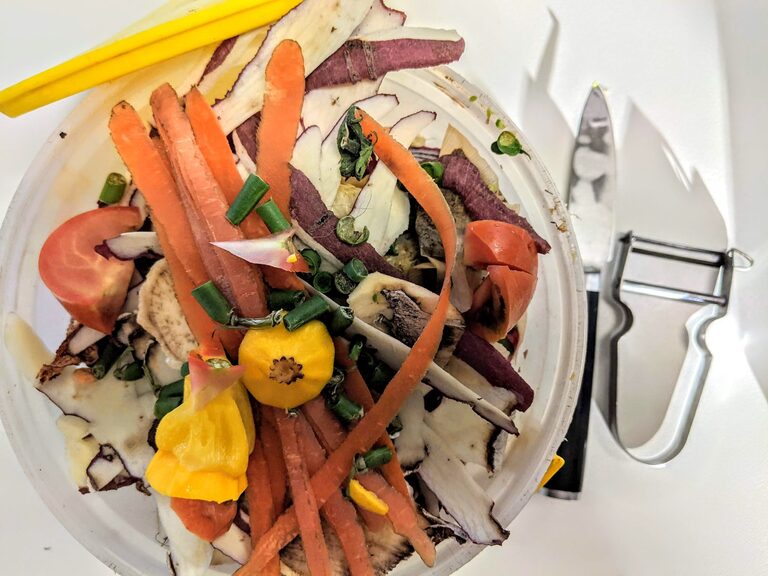
Reducing food waste at home is not only good for the environment but also helps save money and resources. Every year, a significant amount of food ends up in the trash, which contributes to unnecessary waste and pollution. Fortunately, there are many practical strategies you can adopt to minimize food waste in your household. Here are some useful tips and ideas to help you get started.
Why Reducing Food Waste Matters
Food waste impacts more than just your grocery bill. When food is thrown away, all the energy, water, and labor used to produce it are wasted as well. Additionally, decomposing food in landfills generates methane, a potent greenhouse gas. By cutting down on food waste, you contribute to a healthier planet and make your household more efficient.
Plan Your Meals Thoughtfully
Make a Weekly Menu
One of the best ways to reduce food waste is to plan your meals ahead. Creating a weekly meal plan helps you buy only what you need and avoid impulse purchases that may spoil before use.
Write a Detailed Shopping List
Based on your meal plan, prepare a shopping list and stick to it. This reduces the chances of buying excess or unnecessary items, helping you stay organized and focused.
Shop Smartly
Try to shop once a week instead of daily. This reduces frequent trips and helps you manage your inventory better. When buying fresh produce, choose items that you can consume within a reasonable time frame.
Store Food Properly
Use Clear Containers
Transfer food into clear, airtight containers so you can easily see what you have. This also helps keep food fresh longer by protecting it from air and moisture.
Label and Date Your Food
Label leftovers and opened packages with the date they were stored. This prevents forgotten items and encourages you to use older products first.
Understand Storage Techniques
Different foods require different storage methods. For example:
– Keep leafy greens in the refrigerator with a damp cloth to maintain moisture.
– Store potatoes and onions in a cool, dark, and dry place (not in the fridge).
– Freeze bread or cooked meals if you don’t plan to eat them soon.
Practice Smart Cooking and Serving
Use Leftovers Creatively
Instead of tossing leftovers, use them for new meals. Soups, stir-fries, casseroles, and sandwiches are excellent ways to repurpose food.
Portion Wisely
Serve smaller portions and allow seconds if needed. This avoids uneaten food on plates that often goes straight to the trash.
Embrace “Ugly” Produce
Don’t discard fruits and vegetables just because they look imperfect. Many “ugly” or misshapen items are perfectly edible and usually cheaper.
Manage Food Expiration Dates
Understand Labels
“Sell by,” “use by,” and “best before” dates can be confusing. Many foods are still safe to consume after these dates, especially if stored properly. Use your senses—smell, look, and taste—to judge food quality.
Rotate Your Pantry
Bring older items to the front when restocking your pantry, and place new purchases behind them. This encourages you to use older food before it expires.
Compost Scraps and Food Waste
Set Up a Compost Bin
For unavoidable food scraps and peels, composting is an eco-friendly option. Compost bins or piles turn organic waste into nutrient-rich soil for gardens or plants.
Use Food Waste Services
If composting at home isn’t possible, check if your community offers food waste collection programs.
Additional Tips to Reduce Food Waste
– Freeze excess fresh herbs in ice cube trays with water or oil.
– Use vegetable scraps to make homemade broth.
– Encourage your family to help with food waste reduction efforts.
– Donate unopened, non-perishable food items to local food banks.
Conclusion
Reducing food waste at home is a simple yet impactful way to improve your lifestyle and support sustainability. By planning meals, storing food properly, cooking smart, and composting scraps, you can make a big difference in your household. Start adopting these habits today for a healthier kitchen and planet.