










Creating a calm and soothing evening routine can make a significant difference in how you relax and prepare for a restful night’s sleep. Small adjustments in your daily habits can help reduce stress, improve your mood, and allow your mind and body to wind down naturally. Whether you want to slow down after a busy day or simply enjoy more peaceful evenings, these small changes can work for anyone.
Why a Calm Evening Routine Matters
Our evenings set the tone for quality sleep and the following day. A hectic, screen-filled, or rushed routine can leave you feeling restless or anxious at night, making it harder to fall asleep. On the other hand, a calm routine encourages your body’s natural rhythms, eases tension, and signals that it’s time to relax.
By introducing gentle habits into your evenings, you can gradually foster a sense of peace and prepare yourself for a night of deep, restorative rest.
Small Changes That Make a Big Impact
Here are some simple, practical ideas to help you create a calmer evening routine:
1. Set a Consistent Bedtime
Going to bed at the same time every night helps regulate your body’s internal clock. Try to choose a bedtime that allows you enough sleep and stick to it—even on weekends. Consistency helps your brain recognize when it’s time to wind down.
2. Dim the Lights Early
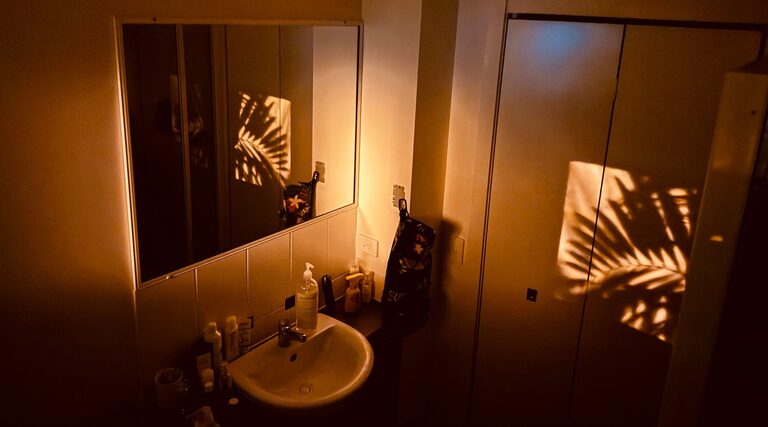
Bright lights can interfere with your body’s production of melatonin, a hormone that promotes sleep. About an hour before bed, start dimming your household lights or switch to lamps with warmer bulbs. This signals to your brain that the day is ending.
3. Limit Screen Time
The blue light from phones, tablets, and computers can disrupt sleep patterns. Try to avoid screens for at least 30 minutes to an hour before bedtime. If you need to use devices, consider enabling blue light filters or “night mode” settings.
4. Create a Relaxing Environment
Make your bedroom a sanctuary for rest. Keep it tidy and clutter-free. Use calming scents like lavender with a diffuser or pillow spray. Soft, comfortable bedding and the right room temperature can also enhance relaxation.
5. Practice Gentle Stretching or Yoga
Light stretching or simple yoga poses can relieve physical tension built up during the day. Focus on slow, mindful movements and deep breathing to calm your nervous system.
6. Try Mindfulness or Meditation
Spend a few minutes focusing on your breath or practicing guided meditation. This helps clear your mind of stressful thoughts and brings your attention to the present moment.
7. Write in a Journal
Journaling is a helpful way to process your day and release any lingering worries. You can jot down what you’re grateful for, plan for tomorrow, or simply write freely to clear your mind.
8. Enjoy a Warm, Caffeine-Free Beverage
A cup of herbal tea, warm milk, or another caffeine-free drink can soothe your senses. Avoid sugary or stimulating drinks late in the evening, as they might keep you awake.
9. Avoid Heavy Meals Late at Night
Eating large or spicy meals right before bedtime can cause discomfort or indigestion. Try to finish eating a few hours before you go to bed to help your body focus on rest rather than digestion.
10. Listen to Calming Music or Nature Sounds
Soft music, white noise, or sounds from nature can create a peaceful atmosphere that encourages relaxation and masks disruptive noises.
Putting It All Together: Sample Evening Routine
Here’s a simple example to inspire your own calming evening:
– 8:00 PM: Begin dimming the lights and turn off screens
– 8:15 PM: Enjoy a warm cup of herbal tea and write in your journal
– 8:30 PM: Do gentle stretches or a 10-minute yoga session
– 8:45 PM: Practice deep breathing or meditate quietly
– 9:00 PM: Change into comfortable clothes and prepare your bedroom for sleep
– 9:15 PM: Listen to calming music as you unwind
– 9:30 PM: Get into bed and read a few pages of a physical book or simply relax with your eyes closed
Tips for Success
– Start Small: Introduce one or two changes at a time to avoid feeling overwhelmed.
– Be Patient: Your body and mind need time to adjust to new routines.
– Customize Your Routine: Find what works best for you and feels natural.
– Stay Consistent: Try to follow your routine regularly to see lasting benefits.
– Avoid Stress About the Routine: If you miss a step or have a restless night, gently return to your routine the next evening without guilt.
Final Thoughts
A calmer evening routine doesn’t require hours of preparation or complex rituals. With small, intentional changes, you can create a peaceful transition from your busy day to restful sleep. Taking time to care for your well-being in the evenings positively impacts your overall health and happiness.
By prioritizing relaxation and self-care, you can enjoy evenings that recharge your mind and body — one simple step at a time.